
Quick Answer
Choose bare when something is uncovered, empty, or plain. Bare feet have no shoes on them, and a bare wall has nothing hanging on it. Choose bear for the large wild animal that lives in forests and mountains. Also choose bear as a verb when someone carries weight, supports a load, or puts up with something hard. Bare points to empty and exposed. Bear points to the animal and to carrying.
Why Writers Mix Up Bare and Bear
Bare and bear sound exactly the same, so your ear gives you no help at all when you write. Many writers type the first spelling that comes to mind and move on, and readers are left to guess the meaning from context. The mix up between bare vs bear happens even more often because bear does two jobs. It names an animal, and it also works as a verb with meanings around carrying and enduring.
This guide sorts the pair out in a way that sticks. You will learn what each word means, see both words in natural sentences from school, work, and home life, and pick up a memory trick that settles the choice in seconds. By the end, you will also know the correct spelling inside common phrases that trap many writers.
If you read only one part closely, read the table below and the memory trick. Those two pieces alone will fix most mistakes with this pair.
| Term | Meaning | Best Use | Example |
|---|---|---|---|
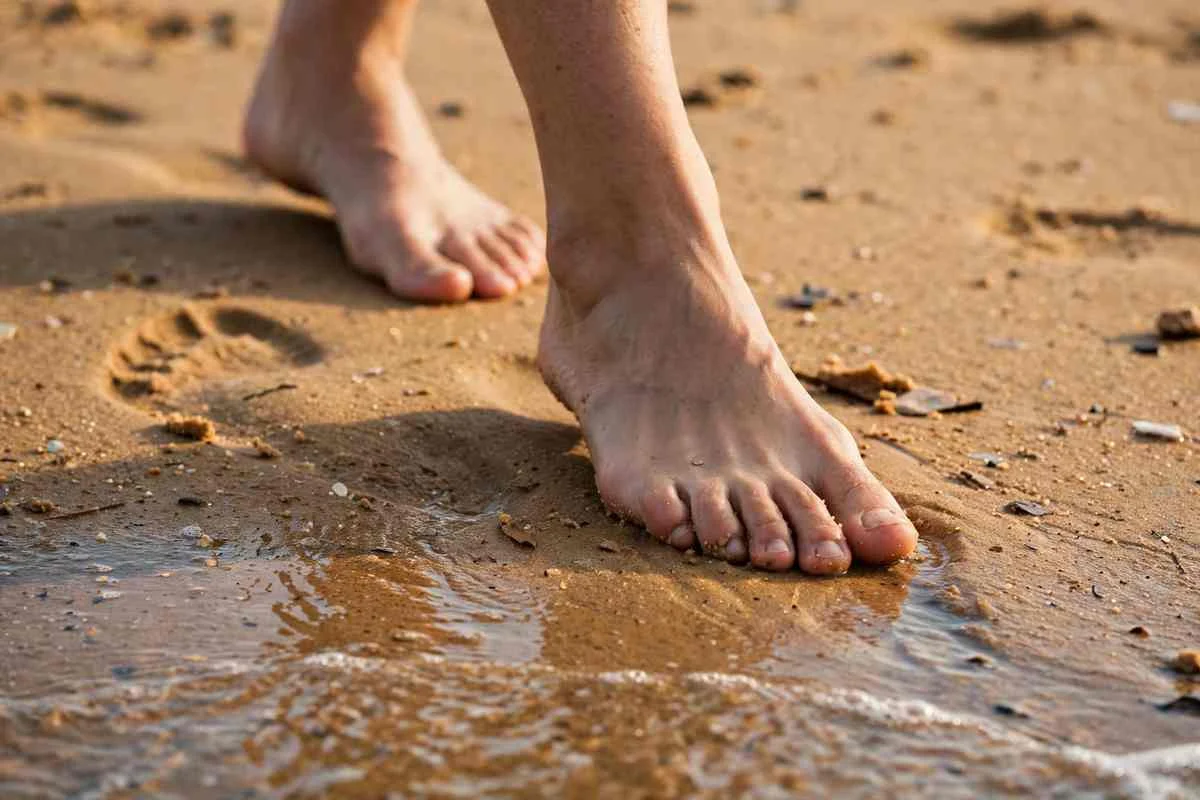
| Bare | Uncovered, empty, or plain | Feet, walls, shelves, facts | He walked in with bare feet. |
| Bare (verb) | To uncover or reveal | Teeth, arms, feelings | The dog bared its teeth. |
| Bear | A large wild animal | Forests, zoos, wildlife stories | A black bear crossed the road. |
| Bear (verb) | To carry, support, or endure | Weight, costs, pain, duty | The shelf can bear fifty pounds. |
What Bare Means
Bare works as an adjective and as a verb. As an adjective, it describes something that has no covering, nothing added, and nothing hidden. Bare feet touch the ground with no shoes or socks in the way. A bare room holds little or no furniture. Bare branches have lost their leaves, and the bare facts are the plain facts with no decoration added.
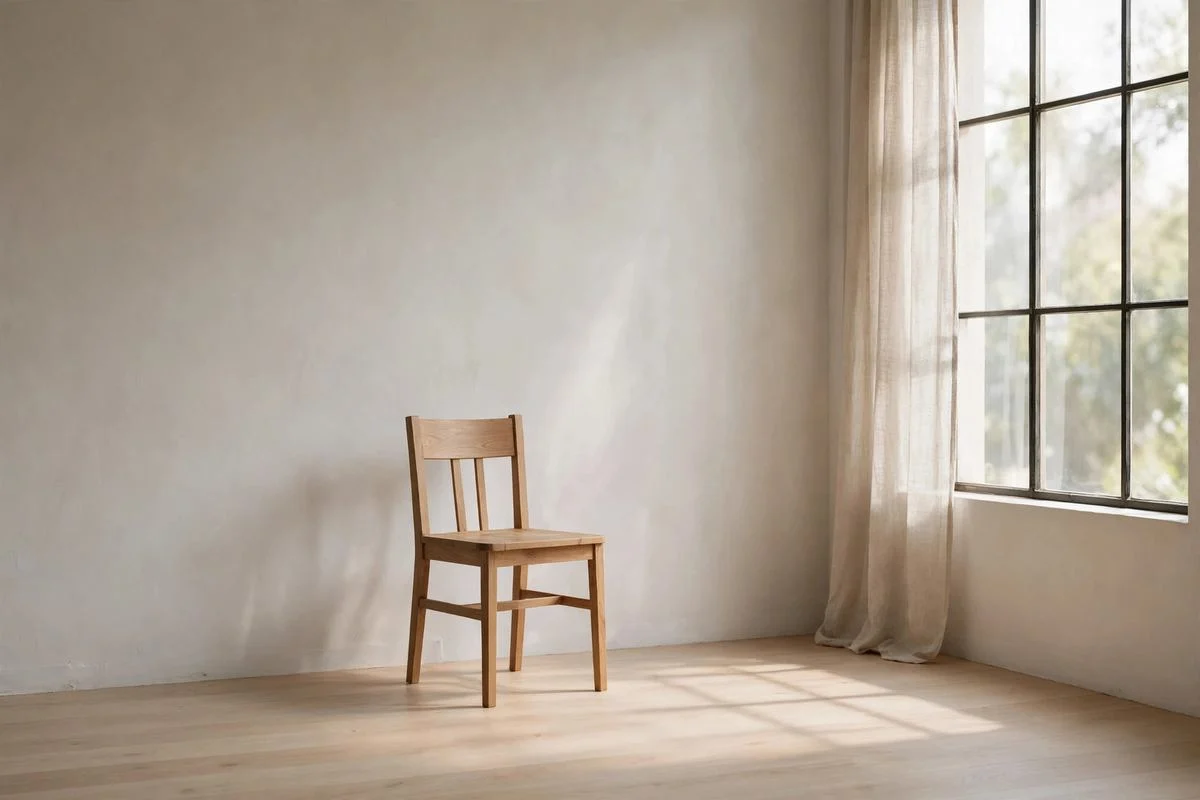
Think of bare as a word about surfaces and amounts. It can describe skin, land, walls, and cupboards. It can also describe the smallest amount of something, as in the phrase bare minimum, which means the least amount that still counts as acceptable.
As a verb, bare means to uncover or show something that was covered. A person can bare their arms by rolling up sleeves. A writer can bare the truth in a report. This verb sense is less common in daily speech, but you will meet it in stories and news writing, so it is worth knowing.
What Bear Means
Bear is best known as a noun that names a large, strong wild animal with thick fur. Brown bears, black bears, and polar bears all belong to this family. When a sentence talks about forests, camping, honey, or hibernation, the word you want is almost always bear.
Bear also works as a verb, and this is where the confusion grows. As a verb, bear means to carry or support something heavy, either in a physical sense or in a figurative one. A bridge bears the weight of trucks. A parent bears the cost of school supplies. A patient bears pain during treatment. A team leader bears responsibility for a project.
The verb has older forms that still appear in books. Its past tense is bore, and its past participle is borne. A sentence like the following is correct and common in formal writing: She has borne the pressure calmly for years. The dictionary entry for bear lists all of these senses together, which shows how wide the verb reaches.
Bear also appears in polite phrases. Bear with me asks someone to stay patient. Bear in mind asks someone to remember a fact and carry it along in thought.
Bare vs Bear in Everyday Sentences
Seeing the words at work is the fastest way to learn them. The examples below group the sentences by word, and each one sounds like something a person might say or write in the United States today.
Sentences with Bare
Each sentence below uses bare for something uncovered, empty, or plain.
- The kids ran across the grass with bare feet.
- She hung one photo on the bare wall.
- The cabin had a bare wooden floor and two chairs.
- He told the bare truth about the broken window.
- The store kept only the bare essentials in stock.
- The guard dog bared its teeth at the stranger.
- Please keep your bare hands away from the hot pan.
Sentences with Bear
Each sentence below uses bear for the animal or for carrying in some form.
- A grizzly bear wandered near the campsite.
- This old shelf cannot bear much weight.
- I cannot bear to watch this sad movie again.
- The sign says the bridge can bear ten tons.
- She bore the bad news with real courage.
- Bear in mind that the office closes at five.
- Thanks for waiting. Bear with me for one more minute.
A Memory Trick That Settles It
Here is a picture trick that many learners find helpful. Bare looks like a word with nothing on it, and that matches its meaning of empty and uncovered. Bear contains the word ear, and a bear is an animal with round ears you can picture at once. When you see an animal in your mind, write bear. When you see an empty surface, write bare.
For the verb sense, think of a bear carrying a heavy log on its shoulders. Carrying, supporting, and enduring all belong to bear. Nothing about an empty wall carries anything, so the verb for putting up with pain or cost is always bear, never bare. If you ever wonder about the phrase bear in mind or bare in mind, the carrying picture gives you the answer at once.
Common Mistakes to Avoid
Most errors with this pair follow a few set patterns. Read each wrong sentence, then look at the corrected version and notice which picture, animal or empty surface, fits the sentence.
Wrong: He walked on the hot sand with bear feet.
Right: He walked on the hot sand with bare feet.
Wrong: I cannot bare this loud music any longer.
Right: I cannot bear this loud music any longer.
Wrong: The cupboard was bear except for one can of soup.
Right: The cupboard was bare except for one can of soup.
Wrong: Please bare with me while I find the file.
Right: Please bear with me while I find the file.
Wrong: She has a bear spot on her arm from the sun.
Right: She has a bare spot on her arm from the sun.
One more trap hides in spelling memory. Writers sometimes invent forms like beared for the past tense. The past tense of bear is bore, so write bore the cost, not beared the cost.
Quick Quiz
Try these five sentences and choose bare or bear for each blank. The answer key sits below the questions, so cover it while you work.
- The hikers saw a ______ near the lake early this morning.
- He refuses to walk on the cold floor with ______ feet.
- Please ______ in mind that tickets sell out fast.
- The shelf is too weak to ______ those heavy boxes.
- After the move, the apartment looked ______ and cold.
Answer key: 1. bear 2. bare 3. bear 4. bear 5. bare
Frequently Asked Questions
Are bare and bear pronounced the same way?
Yes. Both words sound like the word air with a b in front. They are homophones, which means spelling is the only clue a reader gets in writing. In speech, context does all the work.
What does bear with me mean?
It is a polite request for patience. The speaker asks you to carry on waiting a little longer while they finish a task or find an answer. Always spell it with bear.
Is it bear in mind or bare in mind?
The correct phrase is bear in mind. Your mind carries the thought with you, and carrying belongs to bear. Bare in mind is a common error that careful writers avoid.
What does the bare minimum mean?
It means the smallest amount that is acceptable and nothing more. A student who does the bare minimum hands in just enough work to pass. Bare fits because the amount is stripped down to the basics.
What is the past tense of bear?
The past tense is bore, and the past participle is borne. For example, she bore the pain well, and she has borne heavy loads at work for years. The spelling beared does not exist in standard English.
Can bare be used for feelings?
Yes, in the verb sense. To bare your soul or bare your feelings means to reveal private thoughts honestly. This use appears often in stories, letters, and speeches, and it always takes the spelling bare.
Conclusion
The bare vs bear choice comes down to two pictures. Bare means uncovered, empty, or plain, like bare feet and bare walls. Bear names the animal and covers every sense of carrying, from weight on a shelf to patience with a friend. Keep the animal picture and the empty room picture side by side, and you will choose correctly every time. When you are ready for another sound alike pair, work through breath vs breathe and device vs devise next.

Evelyn Hart is an English language writer who makes word meanings, grammar differences, and confusing phrases easy to understand through clear, practical explanations.
Pingback: Desert vs Dessert: How One Letter Changes the Meaning