
Confused about climactic vs climatic? This guide explains the difference, with clear examples, a memory trick, and a quiz to test yourself. “Climactic” and “climatic” look almost identical and both come from similar roots — but one belongs in stories and films, and the other belongs in weather reports. Swap them, and a thrilling film ending suddenly sounds like a forecast. Here is how to keep them apart.
What Does “Climactic” Mean?
Climactic is an adjective. It means relating to a climax — the most exciting, intense, or important moment of a story, event, or series of events.
Examples:
- The film builds to a climactic battle in the final scene.
- The novel’s climactic moment left readers stunned.
- The match ended in a climactic penalty shootout.
- After hours of tension, the climactic reveal finally arrived.
What Does “Climatic” Mean?
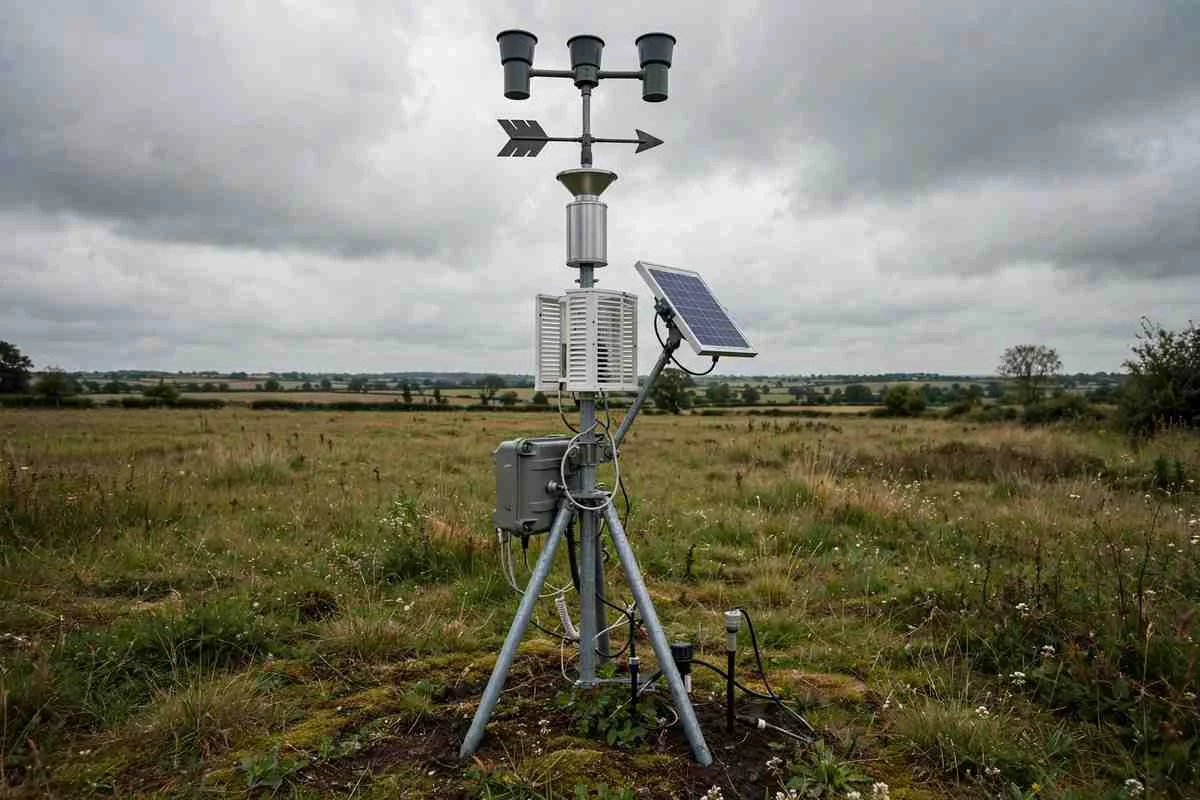
Climatic is an adjective. It means relating to climate — the long-term weather patterns of a place or region.
Examples:
- The region’s climatic conditions make it ideal for growing olives.
- Scientists study climatic changes over decades.
- The desert’s harsh climatic extremes challenge farmers.
- Climatic zones range from tropical to polar.
The Memory Trick
Climactic contains “climax” — the peak moment of a story. If you can replace it with “most exciting,” you want climactic. Climatic contains “climate” — weather over time. If you can replace it with “weather-related,” you want climatic. Climax = climactic, climate = climatic.
Climactic vs Climatic — Side by Side
| Climactic | Climatic | |
|---|---|---|
| Part of speech | Adjective | Adjective |
| Meaning | Relating to a climax (peak moment) | Relating to climate (weather patterns) |
| Example | “A climactic ending.” | “Climatic conditions.” |
Common Mistakes
❌ “The region’s climactic conditions are dry and hot.” → ✅ climatic
❌ “The story reached its climatic peak.” → ✅ climactic
❌ “Scientists warned about climactic change.” → ✅ climatic (or “climate change”)
❌ “The climatic scene of the play brought tears.” → ✅ climactic
Quick Quiz
The book ends with a _______ twist no one saw coming.
Answer: climacticThe island’s _______ conditions are warm all year.
Answer: climaticThe film’s _______ final battle lasted twenty minutes.
Answer: climacticResearchers recorded _______ shifts over fifty years.
Answer: climatic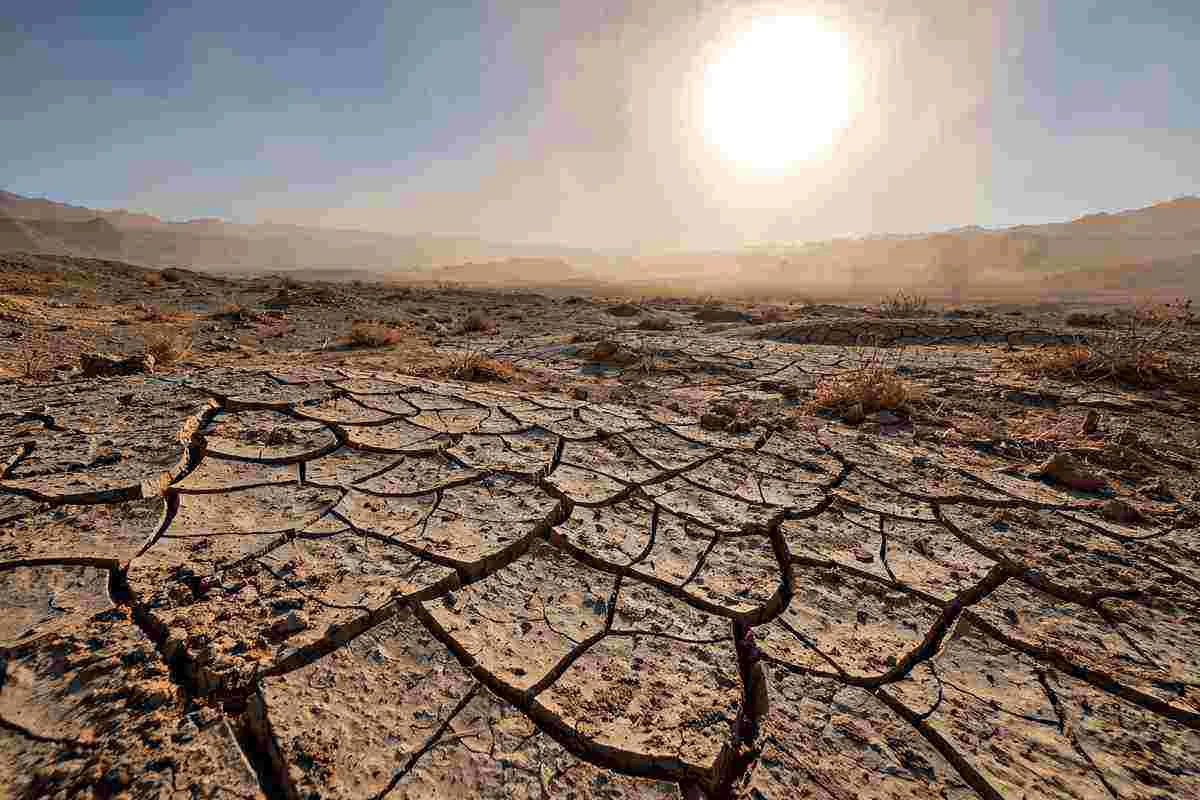
After a slow build-up, the _______ moment finally arrived.
Answer: climactic
FAQ
What is a “climax”?
The climax is the most intense or exciting point of a story — the turning point where the tension peaks before the resolution.
Is “climatic” the same as “climate”?
“Climatic” is the adjective form of “climate.” You say “climatic conditions,” just as you say “economic conditions” for the economy.
Can “climactic” describe real events, not just stories?
Yes. A real match, election, or negotiation can have a climactic moment — any event with a peak of tension or excitement.
Are they pronounced differently?
Yes, slightly: “climactic” is pronounced kly-MAK-tik, while “climatic” is pronounced kly-MAT-ik. The stressed syllable differs, but in fast speech they are easy to confuse — which is why spelling matters.
What is the noun behind “climactic”?
“Climax.” And the noun behind “climatic” is “climate.” Keep those two nouns straight, and the adjectives follow.
Conclusion
In short: climactic means relating to a climax — the most exciting moment — while climatic means relating to climate. Climax = climactic, climate = climatic, and the confusion ends there.Word pairs like these are a dramatic reminder that one letter can change everything.

Grace Holden writes about English vocabulary and common word differences, helping learners understand tricky words with simple, practical explanations.